You just bought a box of 10,000 business cards (because that’s what all business owners do, right?), but now what are you supposed to do with them? Some entrepreneurs feel awkward handing out their business card at networking events, while others are naturals at it. Are you supposed to give your business card out to everyone you meet, or should you target certain audiences? If you aren’t sure how business cards can be implemented into your marketing strategy, take a look at four unique ideas below to help you get started.
Partner with Related Services
The easiest marketing is when someone else does it for you, right? If you have worked with partner companies in the past, and they aren’t direct competition, it may be worth contacting them about displaying your cards for customers in need. For instance, a web design company can display cards for an online marketing company, and vice versa. If you’ve already built a trusted relationship with the company, they will naturally promote your business anyway. Give them a stack of cards to make it easier!
Include Special Offers or Discounts
When designing your business cards, think about who you will primarily be handing them to. Will they be new prospects, repeat customers, potential network partners, or perhaps all three? You may consider including a promotion or special discount on a percentage of the cards for potential customers so they are more likely to keep your card for future reference. People love saving money and finding a deal. Give them a reason to hang on to your card rather than toss it in the trash.
If you want your discount to be flexible based on seasons or holidays, you can include a basic discount code (such as the name of your business) that customers can enter and you can change depending on what you want the discount to reflect. If the discount always stays the same, such as 10% off for every new customer, then the clarity can help customers remember exactly what they are keeping the card for. Punch cards or referral discounts can also be applied to the back of a business card, and be all the more reason for a customer to hang on to the card.
Include Landing Page Link
As part of your marketing strategy, you may have already created a landing page that is designed specifically to draw new customers into your brand and lead them to conversion pages. Instead of listing the basic home page of your website on your business cards, why not perform double-duty and list the landing page instead? As long as the landing page has a readable URL and easy for customers to type in (especially think about mobile users!), then this can be a great way to integrate in-person and online marketing strategies.
Get Creative with Placements
Not every business owner has time to attend a dozen networking events, conferences, or trade shows every year. Instead, they may have to find other creative ways to get their business cards in the hands of target prospects. Luckily, there are plenty of opportunities in every day life to strategically place a business card.
Community boards at coffee shops and grocery stores are easy and free ways to market a business. You can also head to a local bookstore or library and stick your business card in a few industry-related books (as long as the people in charge are cool with it). Or, you can hide a few of your business cards around town and make a scavenger-hunt type game out of it where the customer gets a discount if they find all of them.
There are tons of creative ways to get your business card out there rather than spending hours talking to strangers at an event. The four ideas listed above are a few of the more unique ones to get the creative juices flowing. Business owners can also utilize friends and family, friends, neighbors, past clients, and co-workers to pass out cards, or include their cards in a mail marketing campaign. While in-person connections are always the most effective when it comes to a business card exchange strategy, it doesn’t mean you can’t get your information out there even when you can’t be physically present!
Nearly every modern business utilizes business cards to promote themselves, yet they are often tossed in the trash by their recipients by the end of the week. While business cards continue as a staple in the business world (and it’s nice to have one available when a client asks), businesses need to adapt their cards to fit ever-shifting trends and stand out amongst the competition. Otherwise, the expense and hassle of creating a business card is a total waste.
What inspires a client to keep your card in their wallet rather than toss it when they get home? For one, your business card must be eye-catching. You can achieve this through fonts, brand-colors, phrases, imagery, or even the shape of the card itself. Of course, the most important goal of a business card is to convey useful information to the client, such as name, email, website, and professional social media pages. If you aren’t sure where to begin in your business card design brainstorming session, take a look at the top seven on-trend business card designs of the future below to spark an idea or two.
Minimalistic
A business should convey some information on their business card, but overstuffing and overwhelming a card can be overkill. A customer doesn’t need to know details about specific products or services on a business card. They do need to know your website to find that information, however. Keep it short, sweet, and simple when it comes to how many lines of text you decide to include on your cards.
Along with the amount of words on the card, minimalistic amounts of color, fonts, and images are also on-trend right now. A single-color background with just the business name or logo on the front can help a card look clean, fresh, and professional. You can play around with foiled lettering or different textures to make it unique and un-boring. The important business information can be listed on the back without cluttering up the simple and bold advertisement on the front.
Transparent
Another interesting design idea that has been recently floating around is that of transparent business cards. A specific brand color or pattern can be applied to the transparent paper, but the uniqueness of the see-through design can help it stand out amongst competitors. Of course, transparent cards don’t work with every type of business, especially since transparency conveys a certain message. For instance, a data privacy company may not want see-through associated with its name. However, it may fit the theme of a window company. The takeaway is that businesses are no longer limited to traditional cardstock for business card backgrounds, and they can experiment with different types of material.
Out-of-the-Rectangle
Businesses are no longer limited to the traditional rectangle shape for business cards either. To stand out, some businesses are experimenting with different shapes and sizes for their business cards. Of course, business cards should still serve the practical purpose of storing until future need and easily fit inside a wallet or card carrier.
Interactive
Depending on the type of business, interactive cards can be a fun way to hold the attention of a client or future client. Cards that fold into different objects or have hidden pull-and-slide messages are unique and fun for clients to fidget with when they are familiarizing themselves with your contact information. If anything, these types of cards will definitely be remembered for their distinctive designs.
Social
Just like other types of marketing, business cards should display professional social media accounts as a way for customers to connect with a business. Even if they don’t use the services or products right away, they may want to connect digitally before tossing a card. If a business spends a lot of time marketing and/or selling on social media, this is essential information to include.
Humorous
Humor is a universal language, and it can stand out and intrigue just as much as a color scheme, font, or design. Humor, puns, and sarcasm especially resonate with younger target audiences. Whether it’s through clever imagery or a play on words, many businesses are now incorporating humor into their business card designs to help make a lasting impression with their clients.
Multi-Purpose
A business card can serve two or more functions if you get creative. Instead of handing out multiple cards for different purposes to potential clients, why not just hand them one? If you offer 10% off to new clients, you can include this deal on the card. Or, if there’s a page on your website specifically created for potential clients, you can put this URL on the card in place of the standard homepage. You can even turn a business card into a “frequent customer” card and offer a free product or service for every 10 punches on the back. Businesses are consolidating some of this information onto one card that increases the chances that a customer will keep it longer than a day or a week.
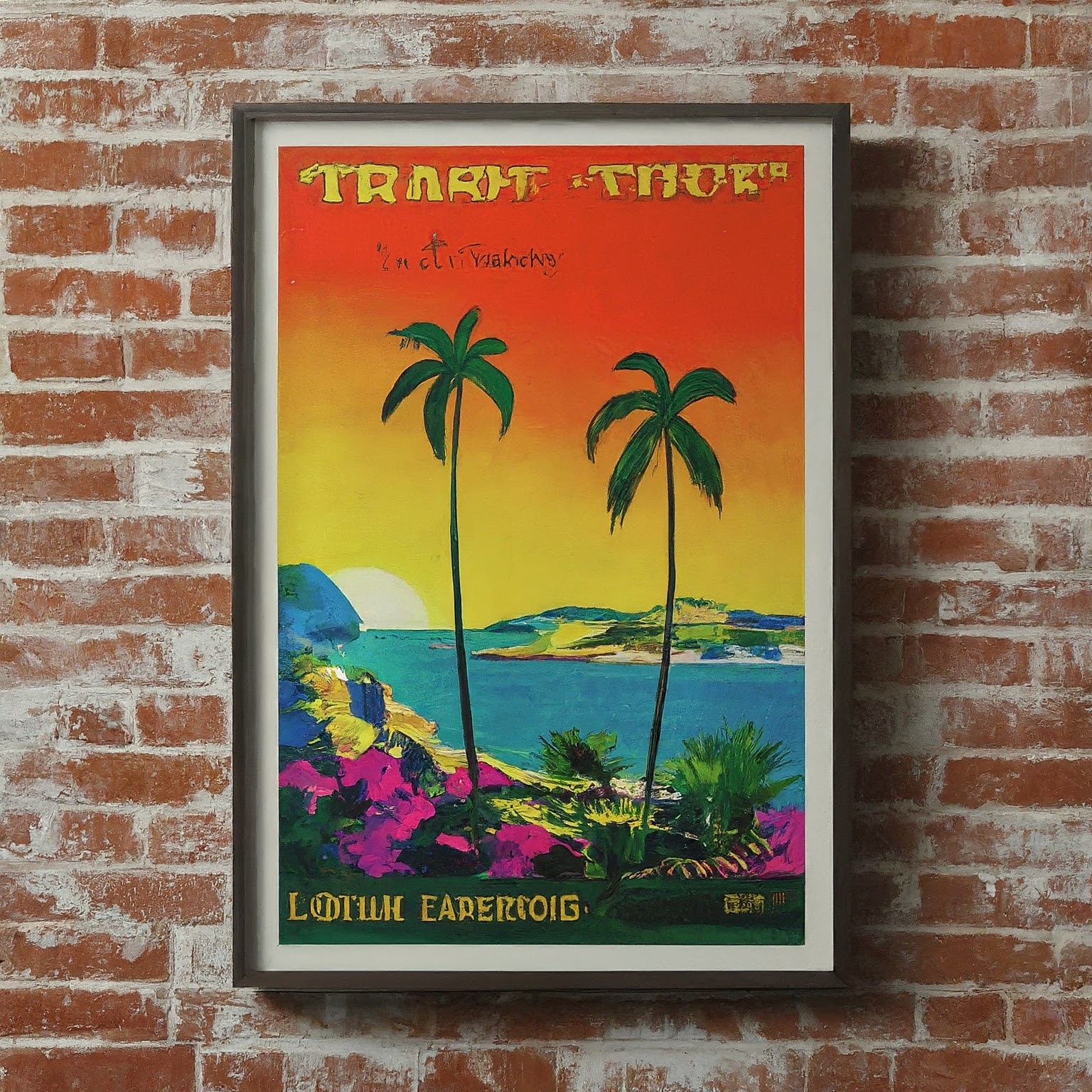
When it comes to reaching an audience, posters are one of the most fruitful and surefire means of capturing someone’s attention. All you need to make a powerful visual impression is a tactful design and clean layout that is memorable but does not cost a fortune. No matter what your business objectives, custom posters are an effective means of promoting your cause while simultaneously imparting a little aesthetic flair. If that idea sounds enticing, here are some more reasons why economically priced custom posters are a must.
Posters Are Cost Effective
Whether your goal is to market a business or decorate your home, posters are extremely cost-effective. Compared to print ads, posters will save you a lot of money and, in the case of marketing your business, could potentially result in more exposure.
Compared to print ads, posters are a decidedly more economic solution. Typical print ads can range anywhere from $500 to over $15,000, which is much more expensive than an ostentatiously large poster with high-quality graphics. On top of that, keep in mind that a print ad will restrict your audience to those who read or subscribe to those particular publications. On the other hand, a cleverly placed poster will incur no such restrictions.
First Impressions Are Everything
While posters are certainly convenient for your budget, they are also an excellent means of generating positive first impressions from prospective customers. This is why high-quality materials and extensive color options are so important. Fortunately, quality is easy to find at Super Cheap Signs. In addition to providing photo-quality, large format printing, they offer the option to customize your entire poster. You can even upload custom designs for inclusion wherever you see fit. Whether you want to create something completely new or riff on an old idea, their team of experts is ready to help you every step of the way.
Posters Are Flexible
One of the most convenient aspects of posters is their seemingly endless range of possible shapes and sizes. So whether your goal is to create hundreds of smaller promotional posters for a particular ad campaign, or several larger posters for branding purposes, the inherently flexible capabilities therein should give you peace of mind in knowing that your options are wide open. Additionally, posters are convenient because they can be customized to suit your audience’s desires and expectations. For example, you can incorporate a QR or coupon codes to engage tech-savvy consumers. Beyond that, posters give you plenty of room to play around with customized sizes.
Posters Promote Visibility
Posters are a marketing savant’s dream because they can be hung just about anywhere. From coffee shops to bookstores to banks, posters can add some needed depth to just about any setting. When hanging your posters, try to think as strategically as possible. You will want to ensure they are spread out in locations where people’s eyes frequent, as opposed to cluttered together in a corner somewhere. However, be sure to check with your local laws and regulations prior to hanging anything, as there may be some rule particular to your location that escapes the scope of this article.
Posters Are a Great Way to Gain Exposure
This may seem obvious, but the mere act of hanging a poster in a walkway or public location means that someone is bound to see it. As mentioned, this directly contrasts with print ads, which are only available to a specific subsection of the population. Additionally, placing a poster in a high traffic area is a great way to capture engagement and attract prospective customers. If you are planning to use your posters for a prolonged period of time, you could even opt to frame or laminate them to ensure their longevity.
Posters and Marketing
Even in today’s increasingly digital world, posters still remain one of the most intuitive ways to market a business. Expounding on the reasons listed above, posters are:
Affordable
Versatile
Portable
Flexible
Engaging
Using posters for marketing purposes is an economical way to amplify your brand’s visibility and gives you a strategic leg up on the competition, especially if they are ignoring posters in favor of social media advertising (though this is still important in its own way). In terms of affordability, posters are economic enough to suit just about any budget. Even if you just need to test some ideas, purchasing some custom posters in bulk and running an A/B test for font colors, sizes, designs, and image content is a cost-effective solution.
As far as portability is concerned, posters are very easy to install and transfer from location to location. Even better, some posters can be used repeatedly no matter the timeframe. This also speaks to their versatility, which makes it easy to reconfigure in accordance with the needs of your target audience.
When it comes to capturing engagement, a seasoned marketer could have a field day with just about any poster format. Combining psychological techniques, branding techniques, color theory, and tactful language is a surefire way to engage your target audience and drive engagement. To this extent, posters are available in an astonishing range of sizes, all of which can be customized to fit your aesthetic inclinations.
Finally, posters can be strategically placed just about anywhere you can think of, including indoors and outdoors. This makes them an ideal means of driving traffic. In fact, several recent studies show that calculated poster placement can drive targeted engagement of specific products. So be sure to do your research and place your posters as strategically as possible.
Around the Clock Marketing
Unlike commercials or print ads, most posters are visible 24 hours per day (though this obviously varies in accordance with where they are located). Consequently, they are not limited by budgetary or spending constraints. This means that people will always have a chance to familiarize themselves with your businesses. How’s that for around the clock marketing?
Science Has Spoken
One of the biggest hurdles in advertising and marketing is getting an idea to stick in someone’s mind. However, before an idea can be incepted, you need to make sure your subject is paying attention. A 2013 study published by the Health Information and Libraries Journal discovered that posters are the primary means of relaying information in academic and public health industries. Further, it shows that posters can effectively condition attitudes and influence behaviors. This insight has been incorporated into the medical and dental industries to great success.
The aforementioned success isn’t just applicable to health industries. Posters have been used to successfully convey and instill information across a variety of professions. As an entrepreneur, you likely do not have a lot of time on your hands but have critical information that you need to convey. In this situation, many people would opt for a slideshow presentation or a PowerPoint.
However, that basically just gives your employees and colleagues a break from their daily tasks and in no way ensures they are retaining any of the information presented. Instead, research shows that whipping up and displaying a custom poster that succinctly conveys the information is a much better means of promoting active learning. Additionally, an effective poster will inspire viewers to ask questions. In the context of a meeting or presentation, this will likely result in a meaningful discussion that will illuminate everyone’s understanding of a particular topic. Needless to say, this is much more effective than the passive experience facilitated by slide shows, PowerPoints, and worst of all: presentations with no visual aids whatsoever.
Super Cheap Signs Is Your Best Source for Custom Posters
Taking the above information even further, while the information conveyed in slideshows and Power Points vanishes from sight the second the next slide occupies the screen, posters remain present until you physically move them. When combined with high-quality material, such as the Postermax paper used by Super Cheap Signs, posters appear authoritative and are likely to inspire positive comments.
If you are on the market for economically priced custom posters, Super Cheap Signs has everything you need. In addition to providing a wide variety of templates, they also offer complete customization, which is a great way to convey more specific messages. Even better, they accept custom images, meaning you can incorporate your own art and custom graphics into your poster. They also offer discounts if you choose to order in bulk quantities, which ultimately saves you time, effort, and money.
All of their posters are made with high-quality Postermax paper, feature one-sided print, and are strong enough for any indoor use. They also offer an array of poster and sign accessories, including wireframes, stakes, spin handles, flyer boxes, suction cups, and more. No matter the application, the seasoned professionals comprising their team are more than ready to assist with all of your poster-related needs.
If you’ve ever needed custom signs, you may have wondered: What’s the difference between screen printing and digital printing? The answer isn’t about which method is better—it’s about which one fits your needs best. Both techniques have their strengths, and understanding how they work can help you make the right choice for your signage needs.
Let’s break down the pros and cons of screen printing and digital printing so you can decide which option is best for your project.s.
What is Screen Printing?
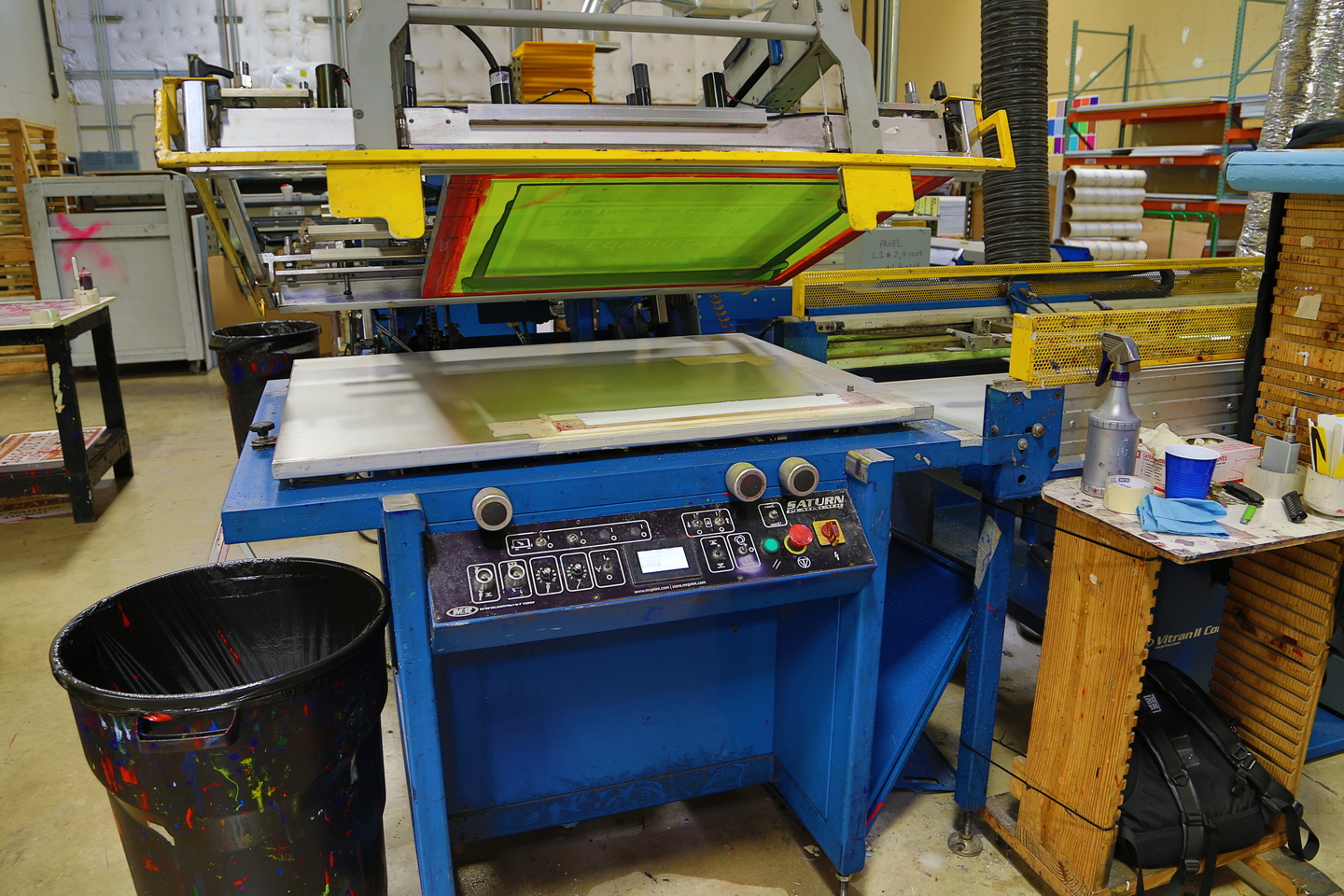
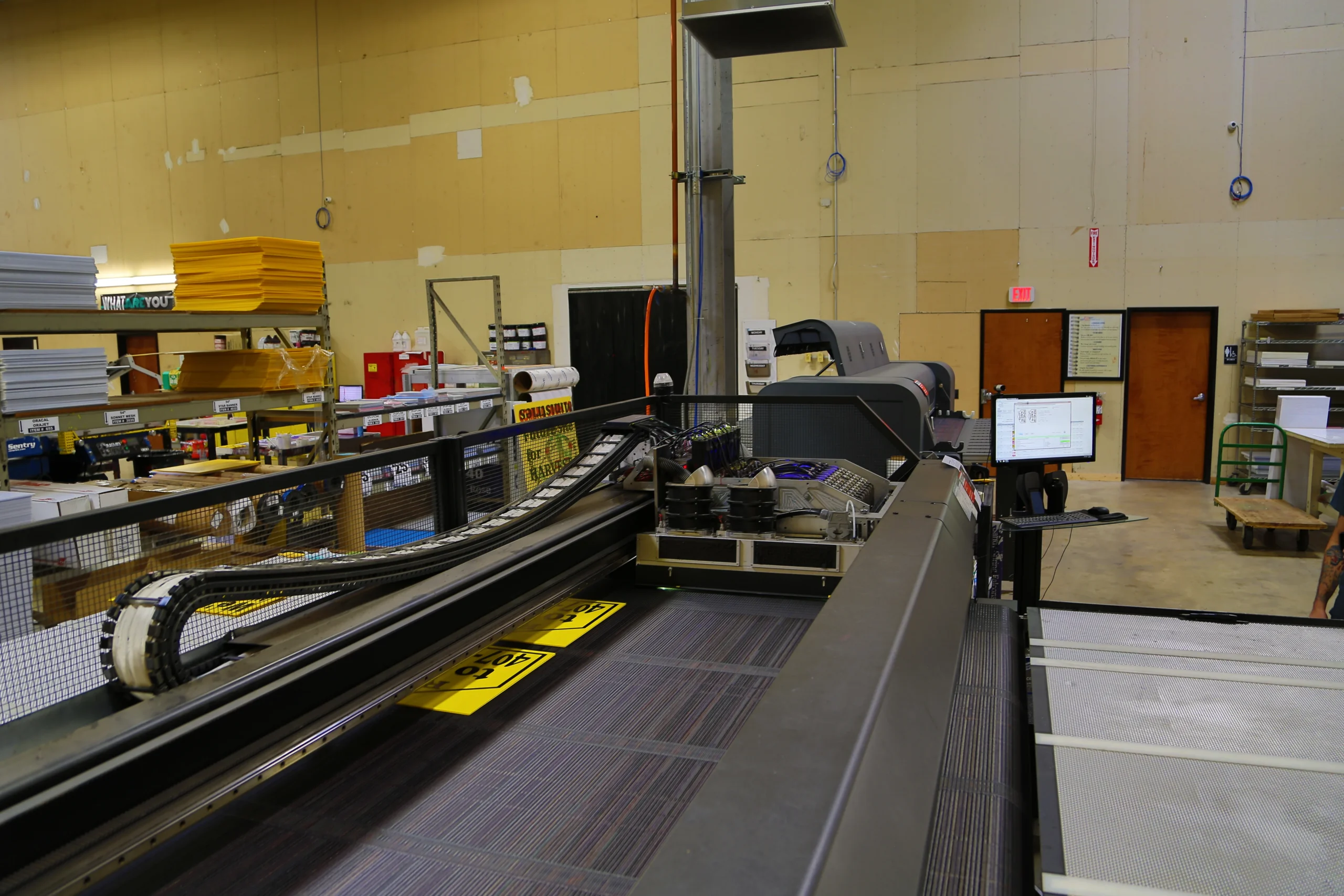
Screen printing is a tried-and-true method that has been used for decades. It involves transferring ink through a fine mesh screen onto the sign material (typically corrugated plastic for yard signs). The screen is coated with a light-sensitive emulsion, and a stencil is created for the design. Once the stencil is set, ink is pushed through the screen with a squeegee, applying it to the sign surface. The ink is then cured under UV light for durability.
Pros of Screen Printing:
Cost-effective for large orders – The setup process takes time, but bulk printing lowers the cost per sign.
Durable for outdoor use – UV-resistant inks ensure signs last 3-5 years, withstanding sun, rain, and wind.
Vibrant and glossy colors – The thick ink application results in bold, long-lasting prints.
Cons of Screen Printing:
Limited color options – Typically limited to 1-3 colors per design; full-color printing isn’t feasible.
No full-bleed printing – A small ⅓-inch border is required around the edges, preventing edge-to-edge designs.
Longer setup time – Requires creating individual screens for each color, making small orders less cost-effective.
What is Digital Printing?
Digital printing is a modern method that works similarly to an inkjet or laser printer—just on a larger scale. The design is uploaded digitally and printed directly onto the sign material using high-quality UV inks. Unlike screen printing, digital printing allows for full-color, high-resolution images without the need for separate screens.
Pros of Digital Printing:
Full-color capability – Ideal for complex designs, gradients, and detailed graphics.
Faster turnaround times – No screen setup means quicker production, perfect for last-minute orders.
Full-bleed printing available – The design can extend to the very edge of the sign with no border.
Cons of Digital Printing:
Higher cost per unit – More expensive per sign compared to bulk screen printing.
Less durable outdoors – Typically lasts 2-3 years in prolonged outdoor exposure before colors start fading.
Not as glossy as screen printing – Colors may not be as bold or shiny as traditional screen-printed signs.
Which Printing Method Should You Choose?
The right printing method depends on your needs, budget, and design complexity:
Go with screen printing if: You need a large quantity of signs with a simple design and limited colors, and you want them to last for several years outdoors.
Choose digital printing if: You need a small batch of signs, require full-color designs, or need a quick turnaround.
If you need full-color signs in bulk: Be prepared for a higher cost, as digital printing is more expensive per unit but offers better design flexibility.
Maximizing Your Sign’s Impact
Regardless of which printing method you choose, here are a few tips to ensure your signs make an impact:
Use high-contrast colors to make your message stand out.
Keep the font bold and legible for easy readability from a distance.
Include a call-to-action like a website URL, phone number, or QR code.
Get High-Quality Custom Signs Today
Whether you need screen-printed signs for a large campaign or digitally printed signs for a small promotion, we’ve got you covered.
Understanding the difference between screen printing and digital printing can help you make a smart investment in your signage. If you’re still unsure which method suits your needs, our customer service team is happy to assist.
Yard signs have stood the test of time and have been most popular to 3 local markets; good old fashion garage sales, political campaigns, and real estate. There are other markets to appeal to such as small businesses or contractors, but the ones mentioned before are the three main contenders. So, what does it take to make those signs eye-catching? Is it the font or colors? Is it a unique design? With only a few seconds to attract the attention of your audience, knowing these certain insights can give you an extra boost over your competitors and could have potential clients choosing you first. As we go over these tricks of the trade, keep in mind that your signs are not limited to these guidelines and you are free to create your signs as you see fit.
Why use yard signs for your business?
Yard signs are much cheaper than larger forms of advertising and are highly effective from a local standpoint. Made from a 4mm piece of corrugated plastic, most yard signs are 18” x 24” and are printed with a UV ink which helps for prolonged outdoor exposure. They’re less expensive than billboards, LED and digital ad displays, but will endure the elements as well.
Insider Knowledge
Something to consider when designing your sign is the budget you have to work with. The bigger the budget, the more colors and/or higher quantity you can attain. A smaller budget suggests a one-color sign at a much lower quantity. Another thing to think about is, what colors do your competitors use? You don’t want to have signs that match too closely to your competition’s colors or design. Below are more key points to help you achieve your goal of an affordable and appealing sign that gets your message across.
Keep It Local! – Yard signs are a great local strategy for small businesses and using the local lingo to promote your message is a great way get your point across. If you can easily communicate with your community then it makes reaching your market that much more effortless.
Keep It Simple! – By keeping the message on your signs simple and clear, you’ll be able to get more attention with just a few words. Overdesigned logos or too many words can deter someone from wanting to read your sign. For yard signs, there is a small window to nab the reader’s attention so keeping it easy to read should do the trick.
Text Layout! – Make sure to distribute the words on your signs wisely. Too much clutter will defeat the purpose of the sign. You want to make it as aesthetically pleasing as possible, so simple fonts and bold colors are what you’re going to be looking for when designing your sign.
Location of Signs! – High traffic areas are key to the success of your signs. You’ll also want to consider the height of which your signs are going to be displayed. Finding that perfect viewing angle can be tricky, but oh so rewarding. The surroundings of your signs are something to think about as well. You wouldn’t want a pesky bush getting in the way of your reach.
Be different! – Having a funny slogan or a witty phrase can definitely help with standing out from the rest. As long as you keep it tasteful, non-offensive and in-line with the message you are trying to put out there, then there is no reason you can’t make a sign to remember.
These are just a few of the deciding factors to consider when creating your sign’s design. Remember, you don’t have to adhere to these methods entirely, just use what you need to help get your layout started. Hope these tips were useful and have answered some doubts you might have had about making your signs more appealing to your customers. With this new-found knowledge behind you and a wide variety of templates to choose from online, there’s nothing to hold you back from getting started!