Table of Contents
Which Printing Method Should You Choose?
Maximizing Your Sign’s Impact
Get High-Quality Custom Signs Today
Final Thoughts
If you’ve ever needed custom signs, you may have wondered: What’s the difference between screen printing and digital printing? The answer isn’t about which method is better—it’s about which one fits your needs best. Both techniques have their strengths, and understanding how they work can help you make the right choice for your signage needs.
Let’s break down the pros and cons of screen printing and digital printing so you can decide which option is best for your project.s.
What is Screen Printing?
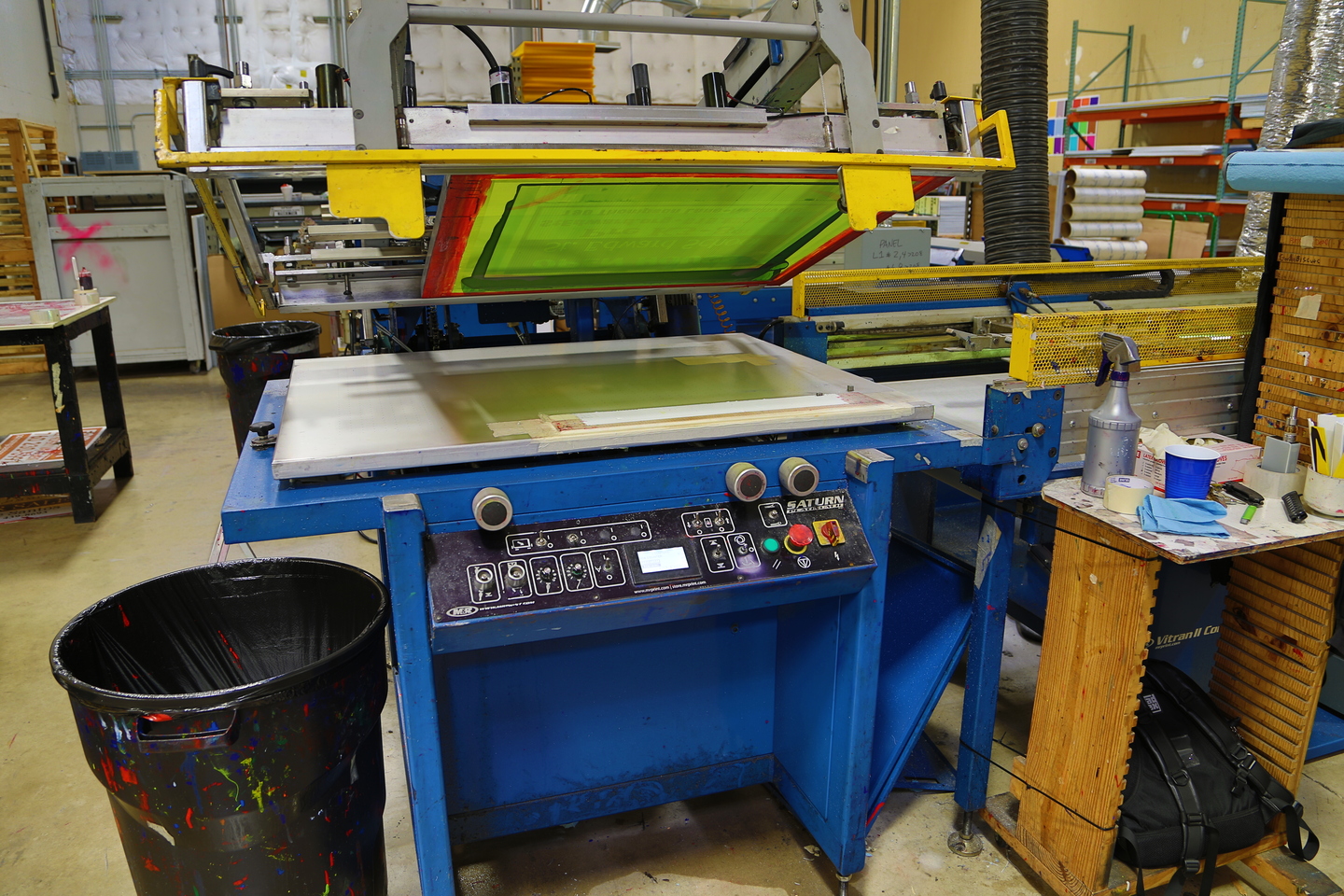
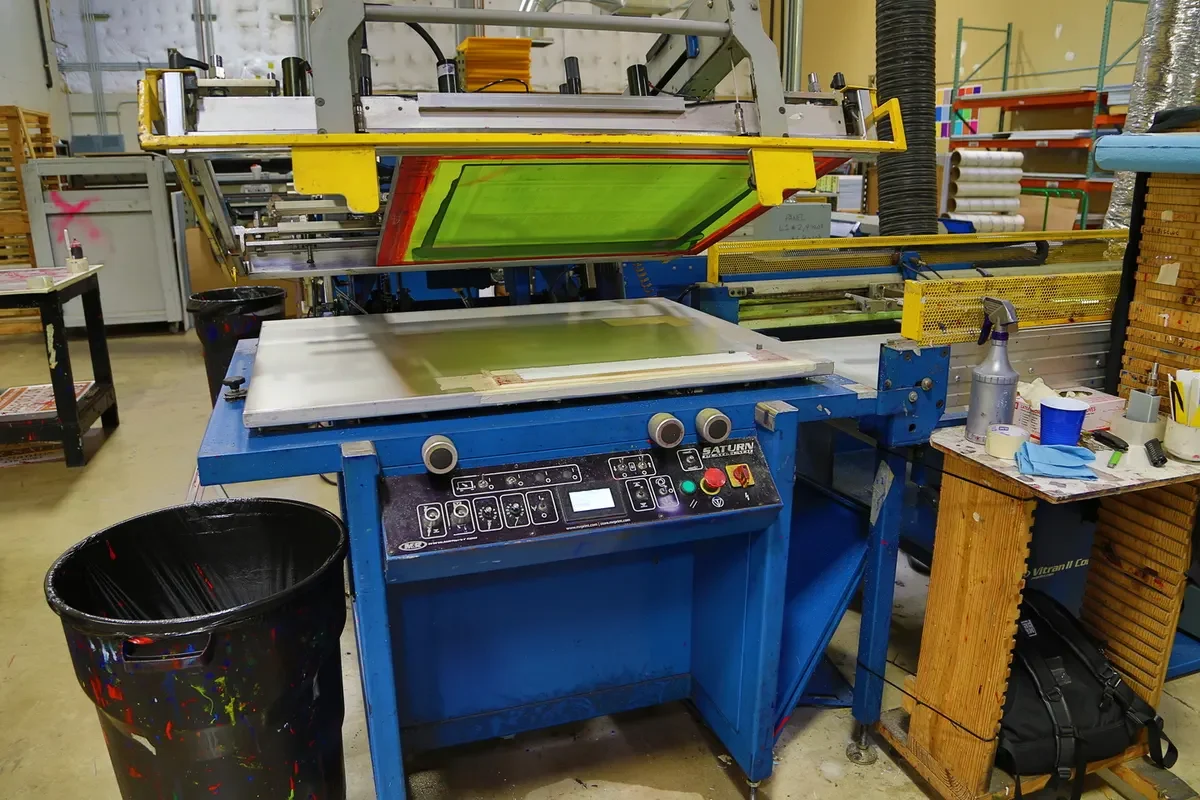
Screen printing is a tried-and-true method that has been used for decades. It involves transferring ink through a fine mesh screen onto the sign material (typically corrugated plastic for yard signs). The screen is coated with a light-sensitive emulsion, and a stencil is created for the design. Once the stencil is set, ink is pushed through the screen with a squeegee, applying it to the sign surface. The ink is then cured under UV light for durability.
Pros of Screen Printing:
- Cost-effective for large orders – The setup process takes time, but bulk printing lowers the cost per sign.
- Durable for outdoor use – UV-resistant inks ensure signs last 3-5 years, withstanding sun, rain, and wind.
- Vibrant and glossy colors – The thick ink application results in bold, long-lasting prints.
Cons of Screen Printing:
- Limited color options – Typically limited to 1-3 colors per design; full-color printing isn’t feasible.
- No full-bleed printing – A small ⅓-inch border is required around the edges, preventing edge-to-edge designs.
- Longer setup time – Requires creating individual screens for each color, making small orders less cost-effective.