Category: Community Signs

  • What size are political yard signs?

    Table of Contents

    Introduction to Political Yard Signs

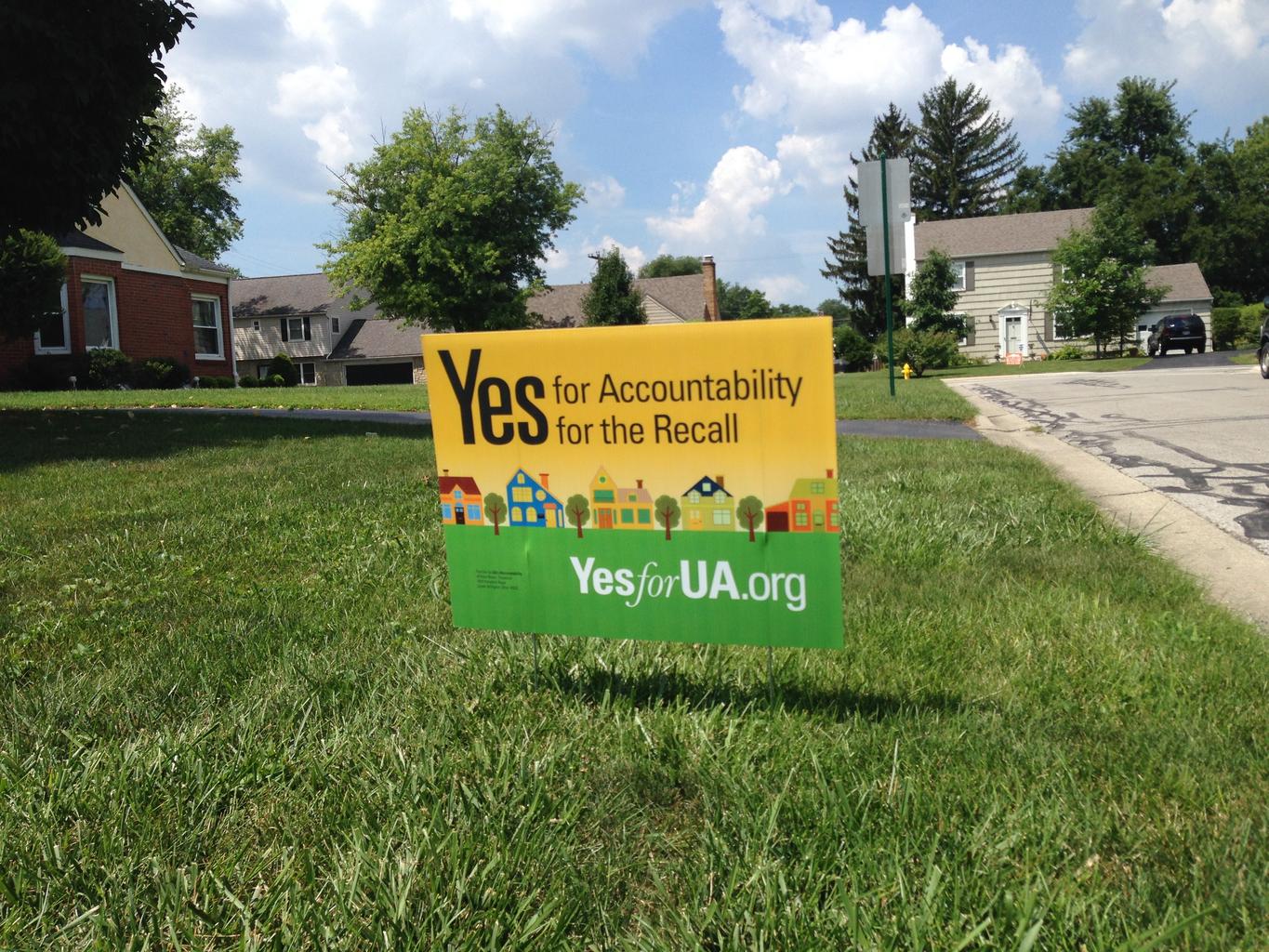
    Political yard signs have long been a staple in campaign strategies, serving as a powerful tool to increase candidate visibility and support. These signs are prominently displayed in yards, along roadsides, and in public spaces to capture the attention of potential voters. One critical aspect of creating effective yard signs is choosing the right size. In this comprehensive guide, we will explore the common sizes of political yard signs, customization options, design tips, material considerations, and relevant legal regulations.

    Standard Sizes of Political Yard Signs

    When it comes to political yard signs, there are a few standard sizes that are most commonly used. These sizes have proven to be effective in terms of visibility and cost-efficiency. The most popular dimensions include:

    • 18″ x 24″: This is the most common size for political yard signs. It offers a good balance between visibility and cost, making it a favorite choice for many campaigns.
    • 12″ x 18″: Slightly smaller, this size is often used for secondary or supplementary signs that are placed in high-traffic areas.
    • 24″ x 36″: Larger political signs like these are ideal for locations where greater visibility is needed, such as busy intersections or along highways.
    • 4′ x 8′: These are considered billboard-sized signs and are typically used in strategic locations to maximize exposure.

    Why Size Matters

    The size of a political yard sign significantly impacts its effectiveness. Larger signs are more visible from a distance, making them suitable for high-traffic areas. However, smaller signs can be more cost-effective and easier to distribute in larger quantities. The choice of size should align with the campaign’s overall strategy and budget.

    Customizing Yard Signs

    Custom Size Options

    While standard sizes are popular, many campaigns opt for custom-sized yard signs to better suit their specific needs. Custom sizes can be particularly useful for unique display areas or special campaign events. Common customizations might include unique shapes or dimensions that stand out from the usual rectangular format.

    Factors Influencing Size Selection

    Several factors should be considered when selecting the size of political yard signs:

    • Location: Signs placed along busy roads or highways should be larger for better visibility.
    • Budget: Larger signs typically cost more, so budget constraints can influence size choices.
    • Message Length: If the sign includes a longer message or multiple elements (e.g., candidate name, position, slogan), a larger size might be necessary.
    • Local Regulations: Some areas have restrictions on the size of yard signs, so it’s important to verify local ordinances before ordering.

    Design Tips for Political Yard Signs

    Visibility and Readability

    Effective design is crucial for political yard signs. Here are some tips to ensure your signs are easily seen and read:

    • Font Size: Use large, bold fonts that are readable from a distance.
    • Contrast: High contrast between text and background colors improves readability.
    • Simplicity: Keep the design simple and focused on key information, such as the candidate’s name and the office they are running for.

    Color and Font Choices

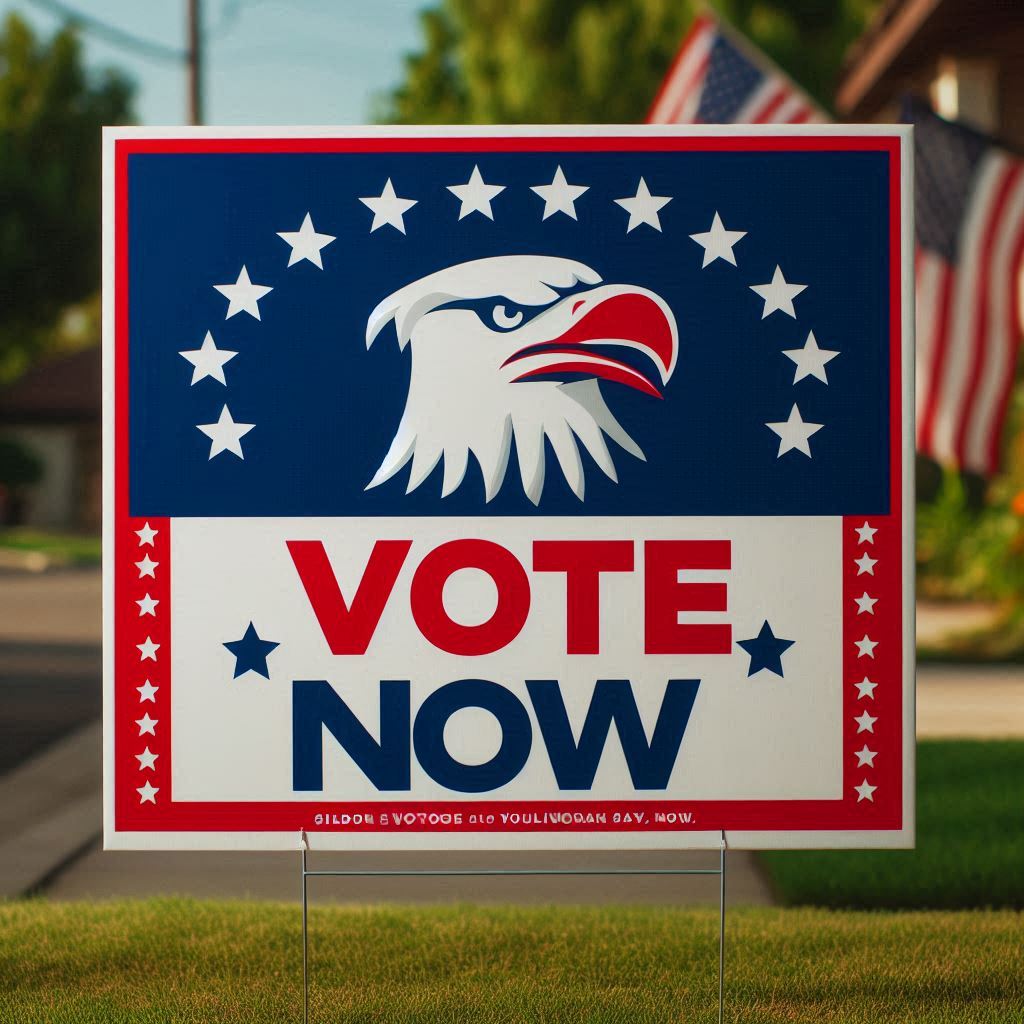
    • Color: Choose colors that stand out in various environments. Red, white, and blue are traditional choices for political signs in the U.S., but other combinations can also be effective.
    • Fonts: Stick to clean, sans-serif fonts for better readability. Avoid overly decorative fonts that can be hard to read from a distance.

    Material Considerations for Yard Signs

    Common Materials Used

    Political yard signs are typically made from durable materials that can withstand outdoor conditions. The most common materials include:

    • Corrugated Plastic (Coroplast): Lightweight, cost-effective, and durable, making it the most popular choice.
    • Polyethylene: Another durable and weather-resistant option, though typically more expensive than Coroplast.
    • Aluminum: Used for larger, more permanent signs due to its durability and weather resistance.

    Durability and Weather Resistance

    Ensuring that yard signs are durable and weather-resistant is essential, especially for campaigns that run over several months. Corrugated plastic is particularly favored for its ability to withstand various weather conditions without significant wear and tear. Additionally, UV-resistant inks should be used to prevent fading from sun exposure.

    Local Ordinances

    Before installing political yard signs, it is important to be aware of local regulations. These rules can vary widely and may dictate:

    • Size limitations: Maximum dimensions allowed for yard signs.
    • Placement restrictions: Rules about how far signs must be set back from roads or neighboring properties.
    • Duration: How long signs can be displayed before and after an election.

    Placement Guidelines

    Strategically placing yard signs is crucial for maximizing their impact while complying with legal requirements. Consider these guidelines:

    • Visibility: Place signs where they will be most visible to passing traffic and pedestrians.
    • Safety: Ensure signs do not obstruct drivers’ views or violate local traffic safety laws.
    • Permission: Always obtain permission from property owners before placing signs on private property.

    Conclusion

    Choosing the right size for political yard signs is a critical decision that can significantly influence a campaign’s success. By understanding the standard sizes, customization options, design tips, material considerations, and legal regulations, you can create effective and compliant yard signs that boost candidate visibility and voter support. Whether you opt for the popular 18″ x 24″ size or a custom dimension, ensuring your signs are well-designed and strategically placed will maximize their impact on your campaign.
  • What are yard signs made of?

    Table of Contents

    Introduction

    Yard signs are a popular and effective way to promote businesses, political campaigns, real estate listings, events, and more. They offer a cost-effective means of advertising that can reach a broad audience. But have you ever wondered, what are yard signs made of? Understanding the materials used in yard signs can help you choose the best option for your specific needs. This blog post will delve into the various materials used to manufacture yard signs, their benefits, and how to choose the right material for your next project.

    Materials Commonly Used in Yard Signs

    When it comes to yard signs, several materials are commonly used due to their durability, weather resistance, and cost-effectiveness. Let’s explore these materials in detail.

    Corrugated Plastic

    Corrugated plastic, often referred to as “coroplast,” is one of the most popular materials for yard signs. It’s lightweight, durable, and resistant to weather, making it ideal for outdoor use.

    Key Features:

    • Durability: Corrugated plastic is highly durable and can withstand various weather conditions, including rain, wind, and UV rays.
    • Cost-Effective: This material is relatively inexpensive, making it a popular choice for large quantities of signs.
    • Lightweight: Easy to handle and install, corrugated plastic signs can be placed just about anywhere with minimal effort.

    Polyethylene

    Polyethylene is another common material used in yard signs. It’s a type of plastic known for its flexibility and strength.

    Key Features:

    • Weather Resistant: Polyethylene can withstand harsh weather conditions, making it suitable for long-term outdoor use.
    • Flexible: Unlike more rigid materials, polyethylene can bend without breaking, which can be advantageous in windy conditions.
    • Recyclable: This material is eco-friendly as it can be recycled after use.

    Aluminum

    Aluminum yard signs offer a premium look and feel. They are known for their durability and sleek appearance.

    Key Features:

    • Long-Lasting: Aluminum is highly resistant to rust and corrosion, ensuring the sign remains in good condition over time.
    • Professional Appearance: The smooth, glossy finish of aluminum gives yard signs a high-quality, professional look.
    • Sturdy: Aluminum signs are more rigid than plastic alternatives, making them ideal for areas with high winds or where vandalism might be a concern.

    PVC

    PVC (polyvinyl chloride) is a versatile material used in various applications, including yard signs. It’s known for its robustness and versatility.

    Key Features:

    • Durable: PVC signs are durable and can handle exposure to elements without deteriorating quickly.
    • Smooth Surface: The smooth surface of PVC allows for high-quality printing, ensuring that your design looks crisp and vibrant.
    • Versatile: PVC can be used for both indoor and outdoor signs, offering flexibility in how and where the signs can be displayed.

    Wood

    While not as common as plastic or metal options, wood is still used for certain types of yard signs, particularly those intended for a more rustic or natural look.

    Key Features:

    • Aesthetic Appeal: Wood signs offer a unique, natural aesthetic that can be very appealing for certain applications, such as real estate or garden signs.
    • Customizable: Wood can be easily cut, shaped, and painted to meet specific design requirements.
    • Biodegradable: As a natural material, wood is environmentally friendly and biodegradable.

    Benefits of Different Yard Sign Materials

    Each material used in yard signs comes with its own set of benefits, tailored to different needs and environments.

    • Corrugated Plastic: Affordable, lightweight, and weather-resistant. Ideal for short-term use and high-volume campaigns.
    • Polyethylene: Flexible, durable, and recyclable. Suitable for both short-term and long-term usage.
    • Aluminum: Sleek, professional, and long-lasting. Perfect for high-visibility areas and long-term advertising.
    • PVC: Durable, versatile, and capable of high-quality prints. Great for a variety of indoor and outdoor applications.
    • Wood: Aesthetic, customizable, and eco-friendly. Best for niche markets and special occasions.

    Choosing the Right Material for Your Yard Sign

    When deciding on the material for your yard sign, consider the following factors:

    1. Duration of Use: If you need the sign for a short-term event, cost-effective materials like corrugated plastic or polyethylene may be best. For long-term use, consider more durable options like aluminum or PVC.
    2. Environmental Conditions: For areas with extreme weather conditions, materials like aluminum and polyethylene that offer high weather resistance are ideal.
    3. Budget: Corrugated plastic is budget-friendly for large campaigns, while aluminum offers a higher-end appearance at a higher cost.
    4. Aesthetic Needs: If the look and feel of the sign are crucial, materials like aluminum and wood provide a more premium and customizable appearance.
    5. Environmental Impact: If sustainability is a concern, choosing recyclable materials like polyethylene or biodegradable options like wood can be beneficial.

    Conclusion

    Understanding the different materials used in yard signs can significantly impact the effectiveness and longevity of your advertising efforts. Whether you’re looking for a budget-friendly option for a short-term campaign or a durable, professional-looking sign for long-term use, there’s a material that fits your needs. By considering the specific requirements of your project, including duration, environmental conditions, budget, aesthetic needs, and environmental impact, you can make an informed decision that ensures your yard signs are both effective and durable.

    Investing in the right yard sign material not only enhances your message’s visibility but also ensures that your signage remains intact and visually appealing throughout its intended lifespan. Whether you choose corrugated plastic, polyethylene, aluminum, PVC, or wood, understanding the benefits and uses of each material will help you create the perfect yard sign for your needs.

  • How are yard signs made?

    Table of Contents

    Introduction

    Yard signs are a versatile and popular method for advertising and communicating messages in various contexts, from political campaigns and real estate listings to event announcements and business promotions. Understanding how yard signs are made can help you appreciate the craftsmanship involved and guide you in making informed decisions when purchasing or designing your own. This blog post delves into the step-by-step process of creating yard signs, from selecting materials to the finishing touches.

    Materials Used in Yard Signs

    Corrugated Plastic

    Corrugated plastic, also known as Coroplast, is one of the most common materials used for yard signs. It is lightweight, durable, and weather-resistant, making it ideal for outdoor use. The fluted design allows for easy insertion of stakes, which secure the sign in the ground.

    Aluminum

    Aluminum yard signs are known for their longevity and professional appearance. They are rust-proof and can withstand harsh weather conditions. These signs are typically used for more permanent installations or in situations where a high-end look is desired.

    PVC

    PVC signs offer a blend of durability and affordability. They are rigid, weather-resistant, and can be easily printed with high-quality graphics. PVC is often used for both indoor and outdoor signage, providing a solid, professional look.

    Designing the Yard Sign

    Graphic Design Software

    The first step in creating a yard sign is designing it using graphic design software such as Adobe Illustrator, Photoshop, or Canva. These programs allow designers to create precise, scalable graphics that can be easily transferred to the printing process.

    Choosing Colors and Fonts

    Colors and fonts are crucial elements of a yard sign’s design. Bright, contrasting colors can help the sign stand out, while readable fonts ensure the message is conveyed clearly. It’s important to choose colors and fonts that align with the brand or message being promoted.

    Incorporating Logos and Images

    Logos and images add visual interest and can enhance brand recognition. High-resolution images and vector graphics are preferred to ensure clarity and quality in the final printed sign. Designers should also consider the placement and size of these elements to maintain balance and readability.

    Printing Techniques

    Screen Printing

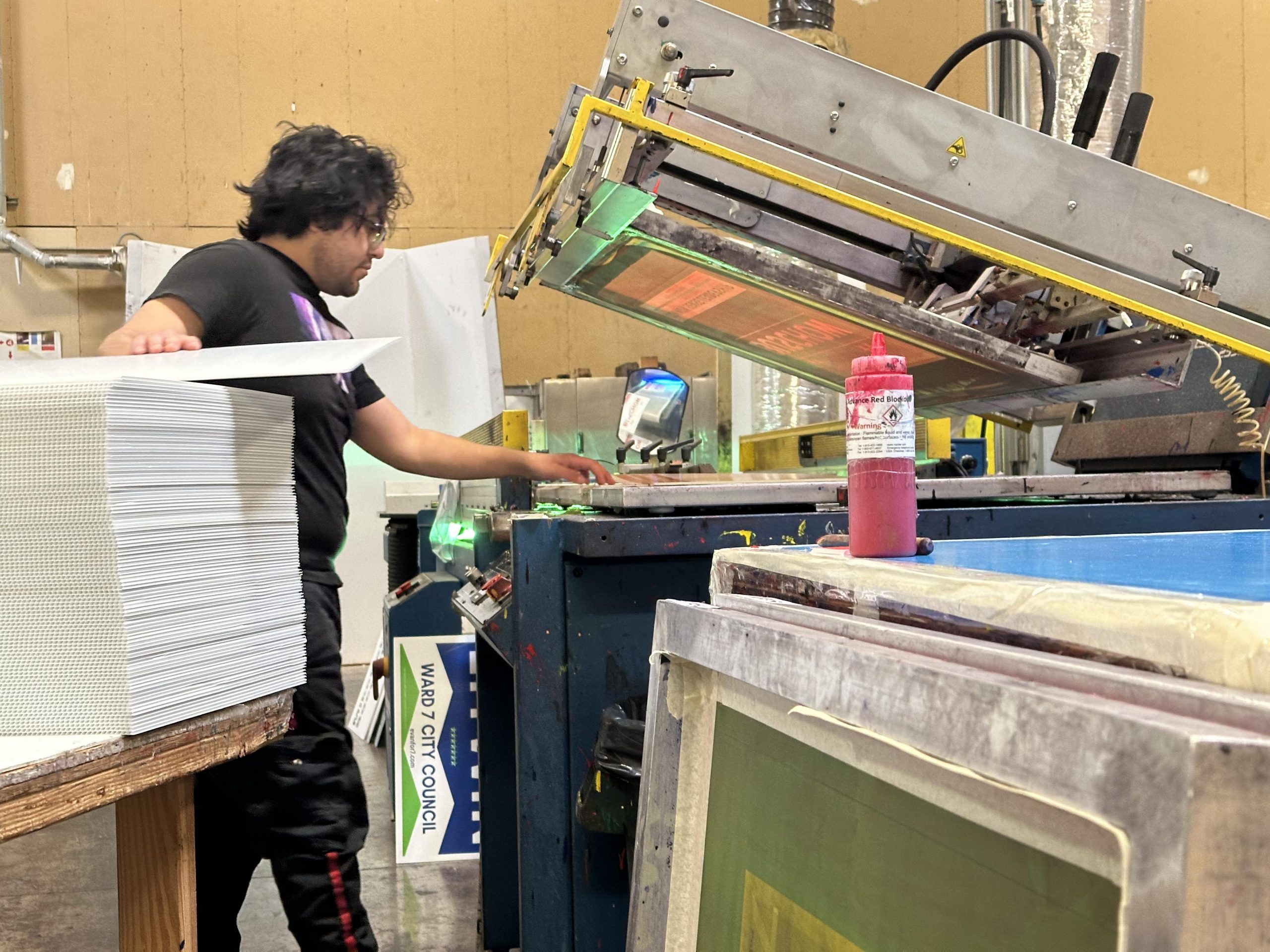
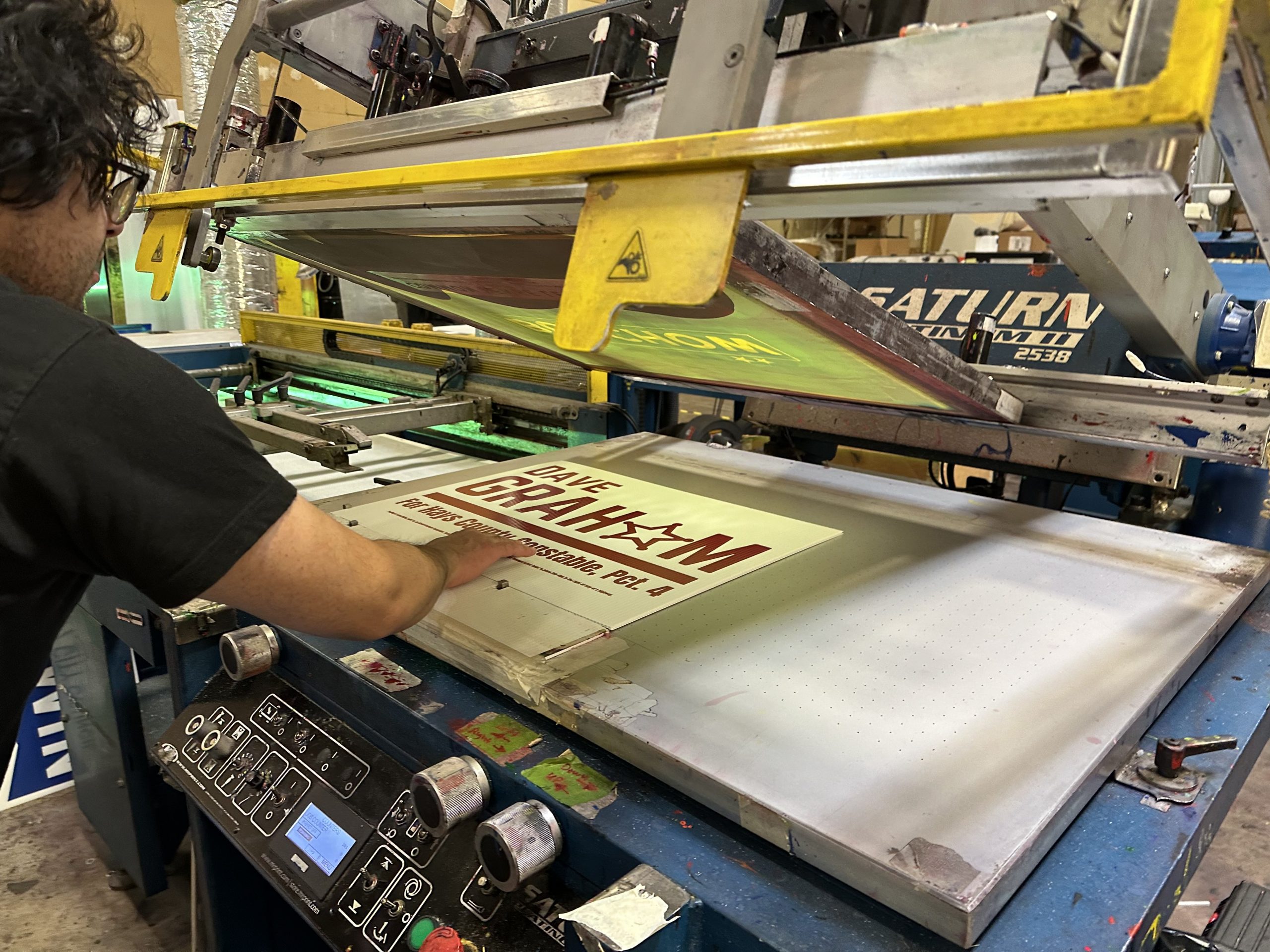
    Screen printing is a traditional method used for producing yard signs. It involves creating a stencil (or screen) and using it to apply layers of ink onto the sign material. This technique is cost-effective for large runs and produces vibrant, durable prints.

    Digital Printing

    Digital printing has become increasingly popular due to its flexibility and high-quality output. This method uses large-format inkjet or laser printers to apply the design directly onto the sign material. Digital printing is ideal for small to medium runs and allows for more complex and detailed designs.

    Cutting and Shaping the Signs

    Die Cutting

    Die cutting is a process where a machine cuts the sign material into specific shapes using a pre-made die. This technique is efficient for producing signs with unique shapes or rounded edges and is commonly used for large production runs.

    CNC Cutting

    Computer Numerical Control (CNC) cutting uses computerized machinery to precisely cut sign materials into any desired shape. CNC cutting is highly accurate and can handle intricate designs, making it a popular choice for custom yard signs.

    Adding Stakes and Frames

    H-Stakes or Wire Stakes

    H-stakes or Wire Stakes are metal stakes shaped like an “H” that insert into the flutes of corrugated plastic signs. They provide a simple and effective way to display yard signs on lawns. H-stakes are easy to install and remove, making them ideal for temporary signage.

    Metal Frames

    Metal frames offer a more robust and permanent solution for displaying yard signs. They are typically made from steel or aluminum and can hold heavier signs. Metal frames are often used for real estate signs and other long-term outdoor displays.

    Finishing Touches

    Lamination

    Lamination involves applying a clear protective layer over the sign to enhance its durability and weather resistance. This process can also give the sign a glossy or matte finish, depending on the desired look.

    UV Coating

    UV coating is another protective measure that involves applying a liquid coating that is cured using ultraviolet light. This coating protects the sign from sun damage, making it more resistant to fading and extending its lifespan.

    Conclusion

    Creating a yard sign involves a combination of material selection, design, printing, cutting, and finishing techniques. Each step in the process plays a vital role in ensuring the final product is visually appealing, durable, and effective in conveying its message. Whether you’re looking to promote a business, sell a property, or announce an event, understanding how yard signs are made can help you create impactful and lasting signage. By choosing the right materials, design elements, and production methods, you can ensure your yard signs stand out and serve their intended purpose effectively.

  • Are Yard Signs Legal?

    Table of Contents

    When it comes to promoting events, political campaigns, or businesses, yard signs are a popular choice due to their visibility and effectiveness. However, many people wonder about the legality of yard signs. Are they legal everywhere? Are there restrictions? This blog post aims to answer these questions and provide a comprehensive guide to the legal aspects of using yard signs.

    Introduction

    Yard signs are a versatile marketing tool used for various purposes, from political campaigns to real estate advertising. While they are a great way to get a message across, it’s important to understand the legal framework surrounding their use to avoid potential fines and penalties.

    Federal Regulations

    At the federal level, there are minimal regulations concerning yard signs. The Federal Election Commission (FEC) has some guidelines for political signs, particularly regarding disclosure requirements for signs advocating for or against a candidate. However, most regulations are left to state and local authorities.

    Federal Election Commission (FEC) Guidelines

    • Disclosure Requirements: Political signs must include disclaimers identifying who paid for the sign and whether it was authorized by a candidate.
    • Prohibitions: Placing signs on federal property or on areas controlled by federal entities (like national parks) is generally prohibited.

    State and Local Laws

    State and local governments have the primary authority to regulate yard signs. These regulations can vary widely depending on the jurisdiction, and they cover aspects such as size, placement, and duration of display.

    Examples of State Laws

    • California: Allows temporary political signs to be displayed up to 90 days before an election and must be removed within 10 days after the election.
    • Texas: Permits political signs on private property with the owner’s consent but restricts placement within the public right-of-way.

    Local Ordinances

    Local governments often have more specific regulations that can include:

    • Sign Size: Limits on the dimensions of yard signs.
    • Placement: Rules about how far signs must be from the road or property boundaries.
    • Time Restrictions: Durational limits on how long a sign can be displayed.

    Homeowners Association (HOA) Rules

    In addition to state and local laws, homeowners associations (HOAs) may have their own rules regarding yard signs. These rules can be stricter than local ordinances and typically cover:

    • Types of Signs Allowed: Some HOAs only allow certain types of signs, such as for-sale signs or security notices.
    • Size and Placement: Restrictions on the size and specific locations where signs can be placed.
    • Approval Processes: Requirements to obtain HOA approval before displaying a sign.

    Common Restrictions and Guidelines

    Understanding common restrictions and guidelines can help ensure that your yard signs comply with the law and local norms.

    Size and Height

    Most jurisdictions have restrictions on the size and height of yard signs. Typical limitations include:

    • Size: Signs often must be less than a certain square footage (e.g., 6 square feet).
    • Height: Maximum height limits, often around 3-5 feet, including the stake.

    Placement

    Placement rules generally aim to ensure visibility and safety:

    • Distance from Roadways: Signs must often be placed a certain distance from the curb or road to avoid obstructing views.
    • Property Boundaries: Signs may need to be a set distance from property lines to prevent disputes with neighbors.

    Duration

    Some areas have time limits on how long yard signs can remain displayed:

    • Temporary Signs: Often limited to specific time frames, such as 30 days before an event and a few days after.
    • Permanent Signs: Must comply with more stringent regulations if they are allowed at all.

    Penalties for Non-Compliance

    Failing to adhere to yard sign regulations can result in penalties, including fines or the removal of your signs.

    Examples of Penalties

    • Fines: Monetary penalties vary but can be significant, especially for repeat offenses.
    • Sign Removal: Authorities may remove non-compliant signs, sometimes without notice.

    To avoid penalties and ensure your yard signs are compliant, consider the following tips:

    Research Local Laws

    • Contact Local Authorities: Reach out to city or county offices to understand specific regulations.
    • Review HOA Rules: If you live in an HOA, review their guidelines thoroughly.

    Obtain Necessary Permits

    • Permit Requirements: Some jurisdictions require permits for certain types of signs. Ensure you obtain and display these permits as needed.

    Follow Best Practices

    • Visibility and Safety: Place signs where they won’t obstruct views or create hazards.
    • Respect Property Lines: Make sure signs are within your property boundaries.

    Conclusion

    While yard signs are a highly effective way to communicate messages, their use is governed by a complex set of regulations at various levels. By understanding and adhering to these laws, you can ensure your yard signs are both effective and legal.

    Yard signs can be a powerful tool for advertising and communication when used correctly. By following the guidelines and tips outlined in this post, you can maximize their impact while staying on the right side of the law. Always remember to check the specific regulations in your area, as these can vary widely and are subject to change.

  • Are Yard Signs Effective?

    yard-signs-in-front-yard

    Table of Contents

    Introduction

    Yard signs are a ubiquitous sight in many neighborhoods, used to promote everything from political candidates and real estate listings to local businesses and community events. Despite the rise of digital marketing, yard signs remain a popular and effective advertising tool. But how effective are they, really? In this blog post, we will delve into the efficacy of yard signs, exploring their benefits, best practices for design and placement, and methods to measure their impact.

    The Role of Yard Signs in Marketing

    Visibility and Reach

    Yard signs provide unparalleled visibility in local communities. Placed strategically, they can capture the attention of pedestrians and drivers alike. Their physical presence means they can’t be ignored, unlike digital ads that can be skipped or blocked.

    Cost-Effectiveness

    One of the primary advantages of yard signs is their cost-effectiveness. Compared to other forms of advertising like TV or radio spots, yard signs are relatively inexpensive to produce and distribute. This makes them accessible to small businesses, political campaigns, and individuals looking to promote an event or service.

    Types of Yard Signs

    Real Estate Signs

    Real estate agents frequently use yard signs to advertise properties for sale or rent. These signs typically include key information like contact details, property features, and sometimes QR codes for virtual tours.

    Political Campaign Signs

    Political yard signs are a staple during election seasons. They help build name recognition for candidates and can signal widespread support in a community, influencing voter perceptions.

    Event Promotion Signs

    From garage sales to community fairs, yard signs are an effective way to promote events. They can be customized to include dates, times, and locations, ensuring that locals are informed and encouraged to attend.

    Business Advertising Signs

    Local businesses often use yard signs to advertise sales, grand openings, or new products and services. They are particularly useful for reaching a neighborhood-specific audience.

    Designing an Effective Yard Sign

    Message Clarity

    An effective yard sign communicates its message quickly and clearly. Given that viewers might only have a few seconds to read the sign as they pass by, it’s crucial to keep the text concise and to the point.

    Color and Font Choices

    Choosing the right colors and fonts can significantly impact a yard sign’s readability. High-contrast color combinations (like black text on a yellow background) and simple, bold fonts are generally the most effective.

    Size and Shape Considerations

    The size and shape of the sign should be appropriate for the intended viewing distance. Larger signs are easier to read from a distance, while unique shapes can help a sign stand out in a cluttered visual environment.

    Best Practices for Placement

    High-Traffic Areas

    Placing yard signs in high-traffic areas maximizes exposure. Ideal locations include busy intersections, near schools, and along popular walking routes.

    Visibility and Legibility

    Ensure that the sign is placed in a location where it is not obstructed by trees, parked cars, or other signage. The text should be large enough to be legible from the road or sidewalk.

    Compliance with Local Regulations

    Before placing yard signs, it’s essential to check local regulations regarding signage. Some areas have strict rules about the size, placement, and duration that signs can be displayed.

    Measuring the Effectiveness of Yard Signs

    Tracking Responses

    Including a unique phone number, website URL, or QR code on your yard sign can help track the responses it generates. This data can provide insights into the sign’s impact on your marketing efforts.

    Return on Investment (ROI)

    Assessing the ROI of yard signs involves comparing the cost of producing and placing the signs against the revenue or leads generated from the campaign. This analysis can help determine whether yard signs are a worthwhile investment for your specific needs.

    Conclusion

    Yard signs remain a powerful tool in the marketer’s arsenal, offering high visibility and cost-effective advertising. When designed thoughtfully and placed strategically, they can effectively reach and engage a local audience. By tracking their performance and ensuring compliance with local regulations, businesses, political campaigns, and event organizers can maximize the impact of their yard sign campaigns.

    While the digital age has introduced many new ways to advertise, the humble yard sign continues to prove its worth as an effective, accessible, and versatile medium for communication. Whether you are looking to sell a house, win an election, promote an event, or advertise a business, yard signs can be an integral part of your marketing strategy.